
Shipping Your Car to Los Angeles

What New Residents Need to Know
Moving to Los Angeles can be complicated, from planning the move to meeting California’s strict vehicle regulations. This guide walks new residents through every step, ensuring your car arrives safely, on schedule, and ready to drive.
By The Editors
Wed, Mar 25, 2026 10:13 PM PST
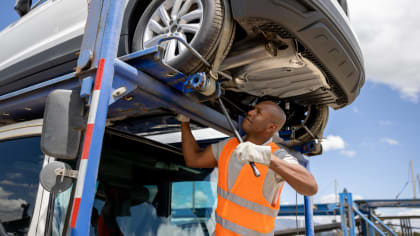
Featured image by Daniel Semenov.
Relocating to LA means stepping into one of the most car-dependent cities in the United States. In a city where the nearest grocery store can be a 20-minute drive, your car isn't a convenience, it's a lifeline. Whether you're relocating for work, lifestyle, or a fresh start, leaving your vehicle behind is not the best option. Shipping your car is almost always the smarter move.
Why Ship Instead of Sell?
When moving to Los Angeles, shipping your car is often the more economical and practical choice, and here’s why:
- Avoid sales tax. Buying a car in Los Angeles comes with a 9.5%–10.25% sales tax, which adds up to roughly $3,000 on a $30,000 vehicle. By choosing a professional car relocation service for around $1,500, you avoid this tax and save about $1,500 compared to buying new in California.
- LA commands a premium. You’ll likely sell your car for less in your current market, then pay significantly more to replace it in California. The difference is rarely in your favor.
- You know your car. Moving is stressful enough. The last thing you need is a replacement vehicle with an unknown history or hidden mechanical issues.
- Protect your loan rate. If you currently have a low-interest auto loan, today’s rates are unlikely to match it. Shipping allows you to keep your existing payment.
- Skip the hunt. Finding a reliable car in LA’s competitive market can take weeks. By shipping yours, you’ll have transportation from day one.
- Get exactly what you want. Popular models in Southern California often come with waitlists or dealer markups. Shipping ensures you arrive with the exact vehicle you want, no compromises.
When to Start Planning
Planning your car shipment in advance can make a significant difference in cost, availability, and overall experience. Here’s what you need to know:
- Start early for the best results. Begin researching and requesting quotes 4–6 weeks before your move date. This gives you better pricing options and access to reliable carriers.
- Avoid last-minute bookings. Waiting too long often means paying “expedited” fees and having fewer carrier choices, as most transport spots are booked weeks in advance.
- Coordinate your arrival. Try to align your vehicle’s delivery with your own arrival in Los Angeles. If your car arrives early, you may face daily storage fees at a terminal or tow yard.
- Understand cross-country transit times. For East Coast moves, especially with enclosed transport, plan for a 7–10 day delivery window.
- Know regional timelines. Moves from the Southwest or Pacific Northwest are much faster, typically taking 2–4 days.
Choosing the Right Transport Method
When shipping your car to Los Angeles, the transport method you choose should reflect both the type of vehicle you own and your priorities during the move.
- Open Transport. This is the industry standard: affordable, reliable, and ideal for everyday vehicles and newer models. For most drivers, open transport offers the best balance between cost and convenience.
- Enclosed Transport. For luxury, classic, or high-value vehicles, enclosed transport is the preferred choice. It offers full protection from weather, road debris, and external elements. In areas like Beverly Hills or Santa Monica, this option is especially popular, as the Southern California sun and coastal air can impact a vehicle’s condition over time.
- Door-to-Door vs. Terminal Delivery. While terminal-to-terminal shipping can be slightly cheaper, door-to-door service is often worth the added cost in Los Angeles. Terminals are typically located in busy industrial areas, which can create inconvenience, delays, and additional handling risks.
- Carrier Size Matters. Multi-car trailers provide the most cost-effective solution and are ideal for standard shipments. Single-car trailers, on the other hand, offer faster delivery and greater flexibility — making them a strong option for time-sensitive or high-value vehicles.
What to Look for in a Transport Company
When selecting a car shipping company for your move to Los Angeles, focus on these key indicators of a professional and reliable operation:
- Licensing and compliance. Ensure the company is fully licensed and bonded. Federal Motor Carrier Safety Administration (FMCSA) registration and a valid MC number are non-negotiable for interstate transport.
- Verified insurance coverage. Always request a Certificate of Insurance before booking. Coverage should be primary, not secondary, with a clearly defined claims process.
- Experience with Los Angeles routes. LA presents unique logistical challenges. Navigating areas like the Hollywood Hills, Bel Air, or coastal zones requires experienced drivers, proper equipment, and route familiarity.
- Transparent pricing. Choose companies that provide clear, all-inclusive quotes. Avoid companies that add last-minute fuel surcharges, dispatch fees, or terminal charges.
- Route-specific reputation. Look for reviews on platforms like the Better Business Bureau from customers who completed similar routes (e.g., NYC to LA). This ensures they can handle long-distance logistics.
Prepare Your Vehicle Before Shipping
Before your car’s cross-country journey, a few mechanical and logistical steps will ensure a smooth and problem-free handover:
- Photo documentation. Take clear, high-resolution, 360-degree photos of the exterior, interior, and any existing damage. This serves as your primary protection if a claim is needed.
- Fuel level & weight. Keep the gas tank at no more than 1/4 full. This reduces weight and meets standard carrier safety requirements.
- Remove personal items. Clear out all belongings. Carriers are typically prohibited from transporting household goods, and these items are not covered by insurance.
- Basic mechanical check. Ensure tires are properly inflated and there are no fluid leaks. For low-clearance vehicles, confirm the carrier has hydraulic lifts or liftgate equipment to avoid damage.
- Secure exterior components. Retract antennas, secure loose parts, and make sure convertible tops are fully closed and latched.
- Disable alarms. Turn off the alarm system or provide clear instructions to the driver to prevent battery drain during transit.
California Regulations & Requirements for Incoming Vehicles
Before your car crosses into California, it’s important to ensure it meets the state’s strict environmental and registration requirements.
- Emissions compliance (SMOG check). Most vehicles must pass a California SMOG inspection before registration. Make sure your car is properly maintained — a “Check Engine” light will result in an automatic failure.
- The 20-day registration rule. Once you establish residency (starting a job, signing a lease, or enrolling in school), you have 20 days to register your vehicle with the California Department of Motor Vehicles (DMV).
- VIN verification. All out-of-state vehicles require a physical VIN inspection. This must be completed by a DMV employee, law enforcement officer, or a licensed vehicle verifier.
- “49-state” vs. “50-state” vehicles. Confirm your vehicle is California-certified. If you’re bringing a newer car (under 7,500 miles) that doesn’t meet California emissions standards, you may not be able to register it.
- Proof of California insurance. You’ll need an insurance policy issued by a provider licensed in California before completing registration.
Reliable Transport: Your Key to a Successful Move
Moving to Los Angeles marks the beginning of an exciting new chapter, and your vehicle is the key to unlocking everything the city has to offer. By choosing a transport partner that prioritizes precision, protection, and transparent communication, you ensure your car arrives ready for the road. The right professional doesn't just move a vehicle; they deliver peace of mind, ensuring your first drive through LA is exactly as you imagined it.