2026 Toyota bZ

A Futuristic EV With a Practical Side — and a Range That Could Be Better
The 2026 Toyota bZ combines futuristic styling, everyday electric driving, and the practicality of a hatchback in one approachable package. It may not be the most exciting EV on the market, but it makes a compelling argument for going electric without giving up the usefulness of a traditional family car.
By J-F Wright
Thu, Sep 24, 2026 03:14 AM PST
Images by the author.
A Futuristic Hatchback. Yes, Hatchback.
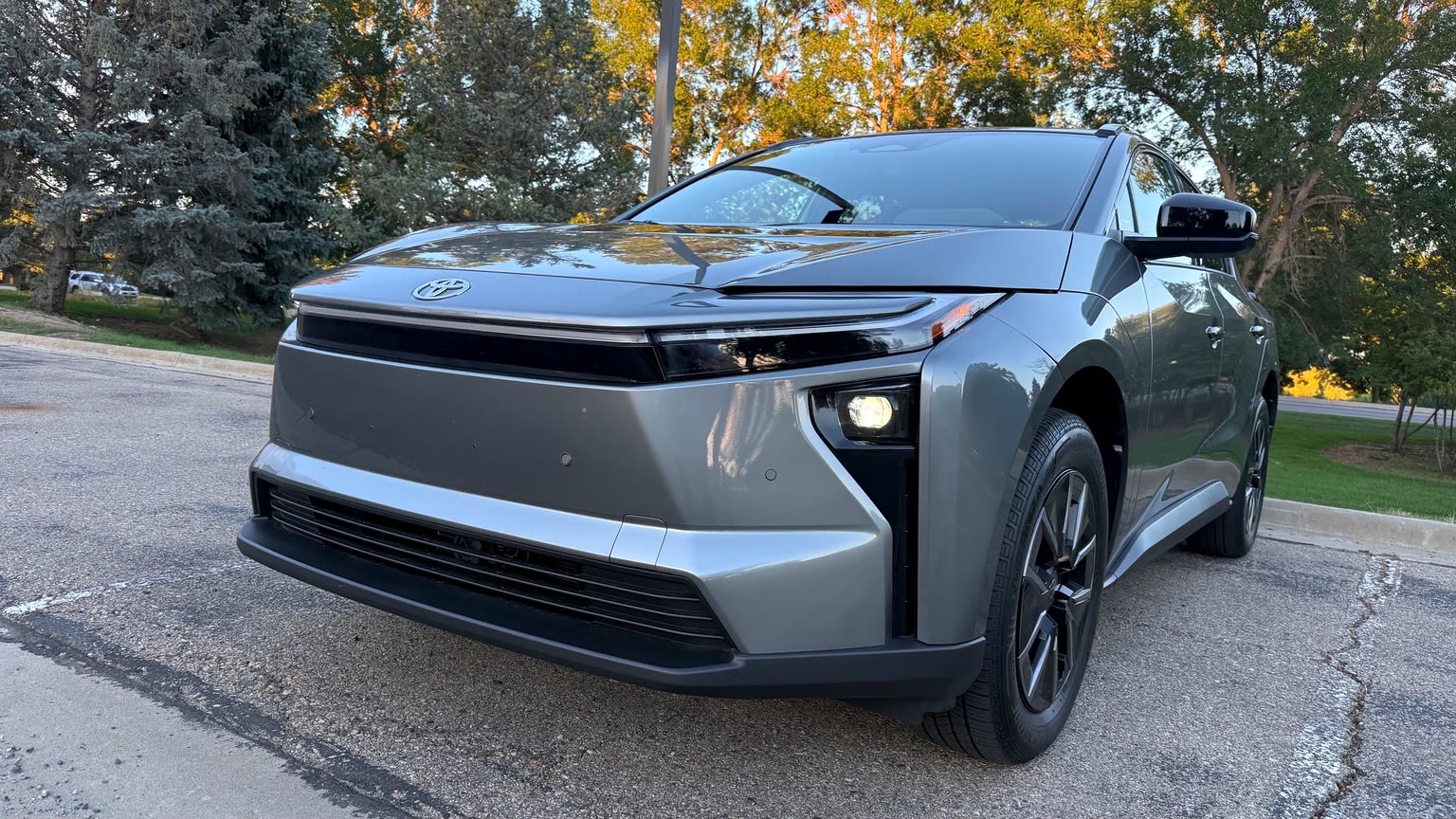
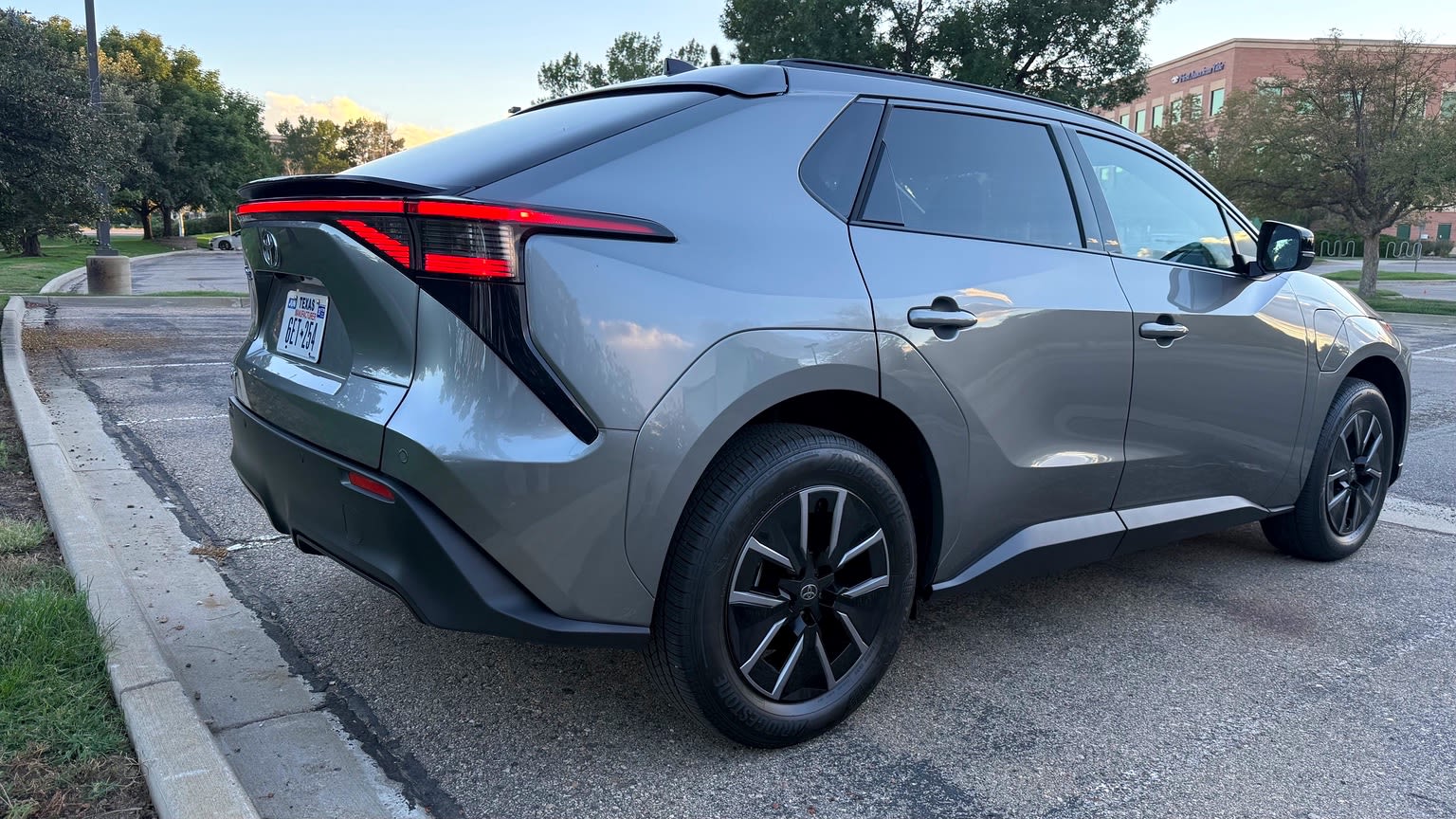
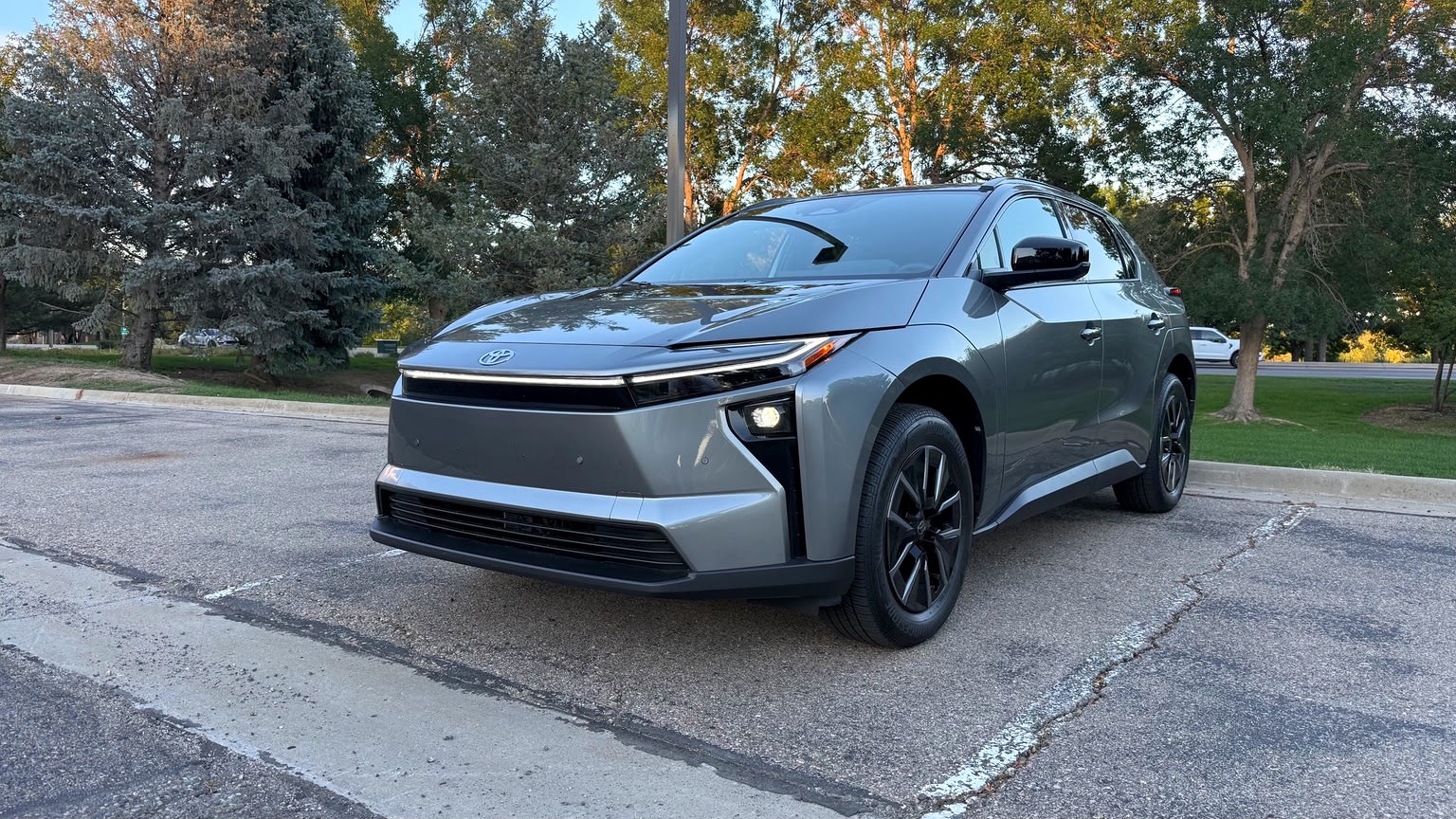
The 2026 Toyota bZ looks like something from the future. Not necessarily the distant future, but certainly a future where designers have decided that sharp lines and narrow headlights are the way to go. And I'm perfectly fine with that.
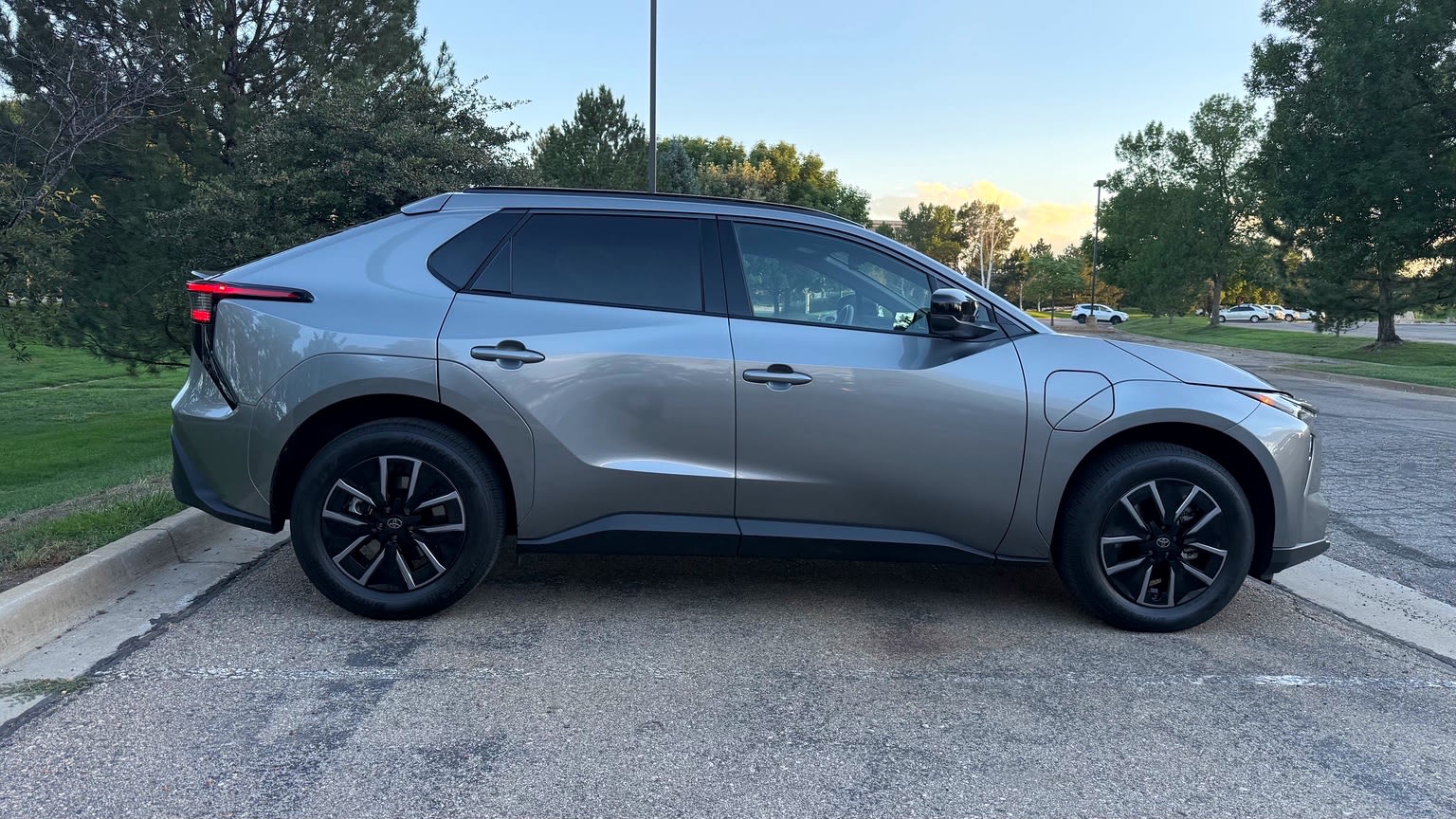
The gray bZ I drove had a clean, modern appearance, with sharp lines across the front and relatively uncluttered sides. The slim upper light signature contributes to the futuristic styling, while the overall shape gives it a slightly sporty personality.
Toyota classifies the bZ as an SUV. I'm going to call it a hatchback. I like hatchbacks. I like station wagons. I like coupes. And I prefer describing the shape and usefulness in front of me rather than squeezing everything into the ever-expanding crossover category.
The bZ has a hatch in the back, a practical cargo area, and a shape that lends itself to carrying both people and their belongings. Sounds like a hatchback to me.
Despite its futuristic appearance, the bZ isn't particularly attention-grabbing. There are plenty of modern EVs on the road with even more dramatic styling, so the Toyota manages to look contemporary while still blending into traffic. It's a nice balance, and one that should appeal to buyers who want something modern without necessarily making a statement everywhere they go.
The Joy of Instant Acceleration
One of my favorite things about electric vehicles is that even the relatively ordinary ones are fun to accelerate. The bZ is no exception.
The bZ I drove didn't strike me as particularly fast, but there's something inherently enjoyable about the instantaneous response of an electric motor. Press the accelerator, and the car goes. No waiting for an engine to build power, no transmission deciding which gear it wants, and no turbocharger needing a moment to wake up. Just immediate response.
The bZ delivers that familiar electric-car experience in a very approachable way. Acceleration is quick enough to be enjoyable, even if the overall vehicle isn't particularly sporty. The steering is reasonably tight, and the handling feels stable and predictable. It's not the kind of car that encourages you to hunt down winding mountain roads, but it certainly doesn't feel clumsy either. Toyota seems to have aimed for a comfortable middle ground, and that's exactly where the bZ lands.
That impression applies to my test car rather than every bZ configuration. Toyota offers front-wheel-drive versions with up to 221 horsepower, while AWD models produce 338 horsepower. The version you choose matters.
The regenerative braking system also contributes to the driving experience. With the stronger regeneration setting selected, the car slows more noticeably when you release the accelerator. That moves the feel closer to the accelerator-led deceleration available in some other EVs; I still used the brake pedal when needed.
It does take some getting used to, though. I would recommend mastering the art of smooth regenerative braking before loading the car with passengers. Otherwise, they might start wondering whether you've forgotten how to drive. Personally, I would have liked even stronger regeneration. The system works well, but it doesn't slow the vehicle as aggressively as some other electric cars.
Moderation at Its Finest
The bZ is an excellent example of a vehicle that does just about everything well without necessarily excelling in any one area. And I don't mean that as an insult. The suspension isn't especially soft, sporty, firm, or floaty. It's simply comfortable and controlled. Toyota has managed to find a balance that should work well for most drivers in most situations. Moderation at its finest.
Around town, the bZ is easy to maneuver and park. Visibility is good, and the camera systems provide additional help when navigating tighter spaces. The vehicle also feels very much like its actual size. It doesn't disguise its dimensions particularly well, but it doesn't need to. It's a manageable vehicle with plenty of interior space.
On the highway, the bZ cruises comfortably and feels stable and secure. Road and wind noise are nicely controlled, especially at lower speeds, and the absence of a traditional engine contributes to the quiet atmosphere. Long-distance comfort is good, too.
The question is whether the battery will take you as far as you'd like before it's time to stop and recharge. More on that in a moment.
Modern, Practical, and a Little Unusual
The futuristic exterior styling continues inside the bZ. The gray textile interior of my test vehicle had a clean, modern appearance, with materials that felt appropriate for the price segment. This isn't a luxury car, and it isn't pretending to be one. Instead, the interior is practical, comfortable, and designed to appeal to a broad range of buyers.
There is, however, one rather unusual design decision. The instrument display is positioned far forward, close to the windshield, rather than directly behind the steering wheel where most drivers are accustomed to finding it. It's an interesting approach, and one that takes some getting used to.
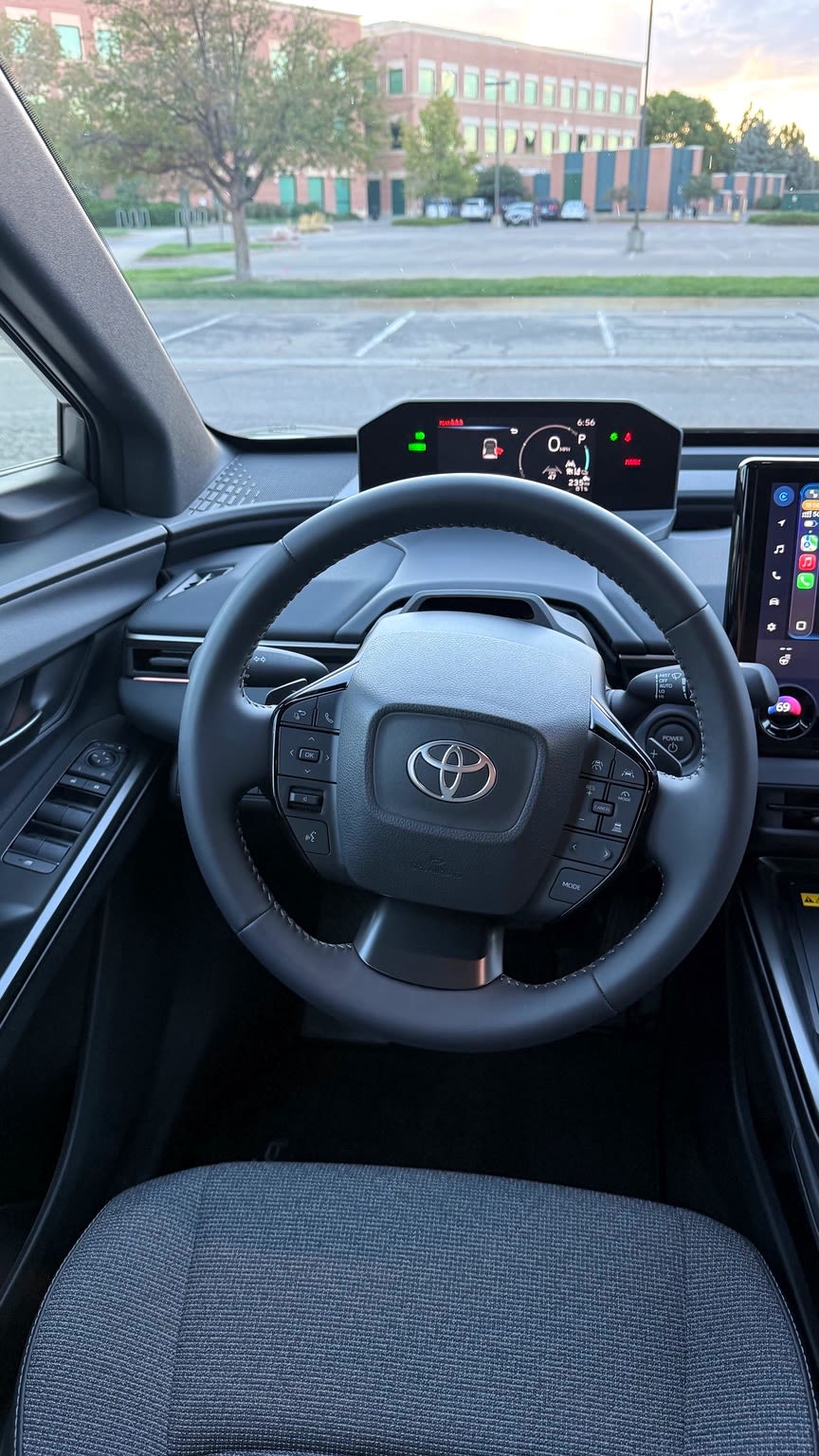
Depending on how I positioned the seat and steering wheel, parts of the display could be obscured by the steering wheel itself. Adjusting my seating position solved the problem, but it's something prospective buyers should pay attention to during a test drive.
The steering wheel is also loaded with buttons. So many buttons, in fact, that it almost reminds me of the early days when manufacturers discovered they could put controls on steering wheels and apparently started competing to see who could fit the most.
Fortunately, the rest of the interior is straightforward. The seats are comfortable without being luxurious, and there's enough space for adults in both the front and rear. Families should find the cabin perfectly suitable for everyday transportation.
And then there's my favorite part. The hatchback.
The Magic of a Hatch
I love hatchbacks, and the bZ reminds me why. The rear cargo area is useful for groceries, luggage, sports equipment, and all the other things that come with everyday life. It's also a practical space for transporting dogs, assuming they're properly secured.
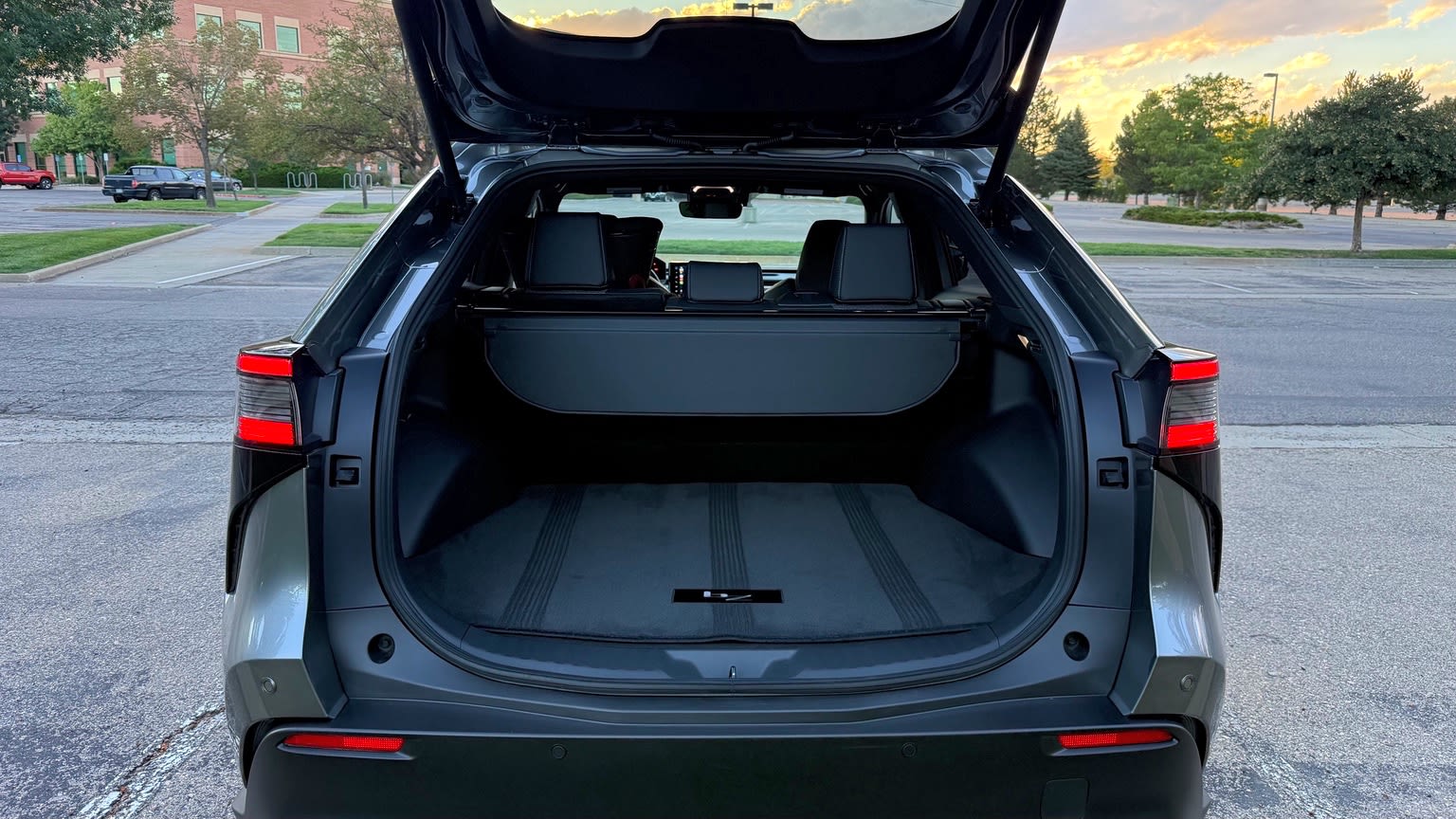
Fold the rear seats down, and the available cargo area becomes considerably more versatile. Suddenly, a vehicle that doesn't look particularly large from the outside can accommodate a surprising amount of stuff. That's the beauty of a hatchback.
You don't necessarily need a massive SUV to transport the things you use every day. Sometimes a cleverly packaged vehicle with a large rear opening is all you need.
Toyota Keeps the Technology Approachable
Toyota continues to impress me with its infotainment systems. The bZ has a standard 14-inch central touchscreen that almost feels oversized for the cabin, but the interface is easy to understand and operate. The display looks great, the menus are logically organized, and connecting a smartphone through Apple CarPlay or Android Auto is straightforward. Toyota has done a good job making technology feel approachable rather than overwhelming.[1]
The bZ also includes two wireless phone-charging cradles up front, which is a thoughtful detail. After all, there are often two people sitting in the front seats, and both might want to charge their phones. It's a small feature, but one that makes everyday life a little easier.
The driver-assistance systems are equally good. Adaptive cruise control works well, and the lane-keeping and other safety features generally operate in a way that feels helpful rather than intrusive. I've always appreciated Toyota's approach to driver assistance. The systems work with you rather than constantly trying to take over.
The systems still do a good job, even when they decide to yell at me. And rightly so: these are driver-assistance systems, not substitutes for an attentive driver.
Range and Charging: The Part That Needs Some Thought
Here's where the bZ becomes a little less convincing. I would have liked more driving range. The bZ is perfectly comfortable on longer trips, but the distance you can travel between charging stops is something prospective buyers should consider carefully.
There is an important distinction between that preference and the model's official capability. Toyota lists 236 miles for the entry XLE FWD and an EPA-estimated 314 miles for the XLE FWD Plus. Those are different configurations, not an observed range result from my test car.
Actual range depends on the version, driving conditions, temperature, and how you drive. And if you're anything like me, the immediate acceleration of an EV tends to bring out a slightly heavier right foot than usual. That probably doesn't help.
My experience with public charging was also less than ideal, although I wouldn't necessarily blame the vehicle. While attempting to charge at an Electrify America station, I had trouble with the charging adapter. It became stuck, charging wouldn't begin, and I eventually had to use the manual release to disconnect it. Not exactly the seamless charging experience one hopes for.
However, I have no idea whether the problem was caused by the vehicle, the adapter, or the charging station. It could very well have been a one-time issue, so I wouldn't draw any broad conclusions from that experience.
The 2026 bZ has a NACS charging port, so charger compatibility and the appropriate adapter matter. Toyota quotes approximately 30 minutes for a 10–80 percent DC charge under ideal conditions. That is a manufacturer claim, not a charging result I achieved.
Charging at home was much easier. I plugged the bZ into a regular household outlet in my garage, and everything worked without any problems. The downside? It's slow. Very slow.
But if you have a relatively short daily commute and can plug in every night, even a standard household outlet might replenish enough energy to cover your normal driving. For drivers who regularly travel longer distances or use more of the battery each day, a dedicated Level 2 home charger would make ownership considerably more convenient.
And that's really the key to living with an EV: understanding how charging fits into your routine. If most of your driving happens close to home, the bZ could be very easy to live with. If you're constantly driving long distances, charging speed, available infrastructure, and range become much more important considerations.
A Sensible Electric Choice
The bZ makes a compelling argument as an approachable electric vehicle. It's practical, comfortable, easy to drive, and equipped with the kind of technology Toyota buyers have come to appreciate.
It also has some serious competition. The Hyundai IONIQ 5, Kia EV6, Chevrolet Equinox EV, and Volkswagen ID.4 are all worth considering in this general segment. Each offers a slightly different combination of styling, driving characteristics, interior space, range, and technology.
Rather than assuming that one badge guarantees better range or charging, compare the specific versions, their equipment, and how they fit your routine. Styling, cabin layout, and the way each car drives will matter as well.
The bZ's biggest strength isn't that it dramatically outperforms any of these competitors. It's that it feels like a Toyota. The controls are approachable, the driver-assistance systems are familiar, and the overall driving experience is predictable and comfortable. For someone who already likes Toyota vehicles and wants to make the switch to electric driving, that's a meaningful advantage.
The biggest consideration remains range and charging convenience. Depending on which version you're considering, some competitors may offer a more appealing combination of distance and charging performance. As always, it's worth comparing the specific trims rather than assuming every version of a vehicle delivers the same experience.
Who Is the Toyota bZ For?
The bZ is a great fit for individuals, couples, and smaller families who want an electric vehicle without sacrificing everyday practicality. It's especially appealing to someone who appreciates hatchbacks and wants enough space for groceries, weekend gear, pets, or the occasional oversized Costco haul. Toyota loyalists should also feel right at home. The bZ brings the familiar Toyota approach to usability and technology into an electric package.
Who should avoid it? Drivers who regularly cover long distances without reliable charging opportunities should think carefully about whether the bZ's particular range and charging capabilities fit their needs. And anyone looking for an especially sporty or thrilling EV may find more excitement elsewhere.
An EV for the Masses
The 2026 Toyota bZ is a futuristic-looking vehicle that delivers a refreshingly ordinary driving experience. And that's actually a compliment. The car I drove doesn't try to be the fastest EV, the most luxurious EV, or the most technologically outrageous EV. Instead, it focuses on being a comfortable, practical, and easy-to-use electric car.
The hatchback design is a particular highlight, giving the bZ the flexibility to carry passengers, pets, groceries, or plenty of gear for a weekend getaway.
Would I own one? Sure, if I were shopping for an EV and its range worked for my needs.
The bZ doesn't particularly thrill, but it certainly doesn't disappoint either. It's an all-around good electric car that happens to be wonderfully practical. And as far as I'm concerned, being a hatchback is already a pretty good start.
Coolio Checkmarks
✔ Futuristic styling without being overly dramatic
✔ Fun, instantaneous electric acceleration
✔ Comfortable and predictable driving characteristics
✔ Excellent hatchback practicality
✔ Spacious interior for adults and children
✔ Easy-to-use infotainment and driver assistance
✔ Two wireless phone-charging cradles
✔ A practical introduction to EV ownership
About The Author

John-Fredrik Wright was born in Sweden, but raised on both sides of the Atlantic. His experience in the automotive industry starts with a summer-job as a host at Volkswagen’s premier showroom in Stockholm. Later, he worked as an instructor at Swedish Active Driving, teaching safe driving (among other things the renowned "elk-avoidance maneuver") and advanced driving techniques.