Why Driving in LA Feels Different Now
The New Reality of City Streets
Driving in Los Angeles has always had its own character, shaped by long boulevards, shifting traffic patterns, and an active street life. Today, that character feels different.
By The Editors
Fri, Dec 12, 2025 10:01 AM PST
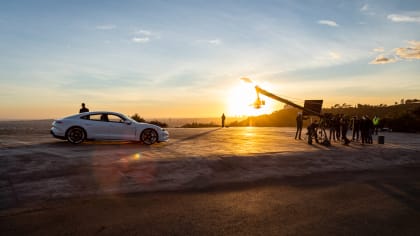
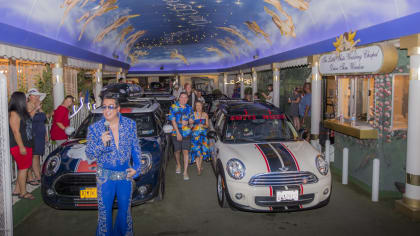
Featured image by Sebastian Enrique.
The pace has changed, the mix of vehicles is broader, and the layout of familiar roads creates a new kind of rhythm. The difference is noticeable for anyone who spends time behind the wheel, whether they have lived here for decades or just arrived.
The Quiet Transformation of LA’s Streets
Many parts of the city have undergone small but steady adjustments that add up to something larger. Redesigned corridors include new lane markings, softer curves, and curb reconfigurations meant to calm traffic or direct it more deliberately.
A stretch that once looked unchanged for years might now include a wider median, a fresh buffer near a bike lane, or a turn pocket shaped differently than before. These updates appear across the Westside, the Valley, and central neighborhoods. LADOT’s complete-streets philosophy, reflected in its latest Vision Zero safety study, continues to guide many of these changes. The result is a driving environment that feels less static than it once did, with roads that evolve rather than stay locked in long-established patterns.
More Wheels in the Mix
Los Angeles now supports a wider range of ways to move through the city. Traditional bicycles share space with e-bikes, and scooters fill short stretches of roadway during busy hours.
Delivery riders appear frequently in commercial districts, especially around mealtime. These additions introduce small but meaningful shifts in how streets feel, especially in areas where limited space has to serve many types of movement. Drivers notice this most during high-activity periods in places like Koreatown, Downtown, and Venice. A street that once felt predictable can now feel more active, with several kinds of motion happening at the same time. The city’s strong car culture is still present, but it exists within a more varied mix than it did even a few years ago.
How New Bike Lanes Shape Driver Awareness
Protected and painted bike lanes have increased across the city, and they influence how drivers read the road. Some lanes sit beside fast-moving traffic, while others run next to parked cars or near busy intersections.
These setups call for careful timing, especially when turning or merging near a cyclist’s path. Right turns are where many of these split-second decisions happen. A driver preparing to turn may share the space with someone continuing forward in a bike lane. A common issue in these situations is right hook bicycle accidents, a type of crash that can occur when a driver turns while a cyclist travels straight. Knowing how these moments develop helps drivers keep these intersections more predictable for everyone.
Tech, EVs, and the Changing Rhythm of LA Traffic
Electric vehicles have become part of the daily landscape, and their presence affects the overall feel of traffic. The quiet sound of an EV moving through a crowded street creates a different sensory experience, and the smooth acceleration of many models influences how gaps open or close in congested areas.
ADAS features also play a role as drivers adjust to vehicles that respond differently in slow-moving lines or tight merges. Charging stations have multiplied across the city, appearing in neighborhoods that once had none. Dedicated EV spaces are now common in public lots and shopping centers. This broader shift toward electrification is echoed in coverage like this overview of California’s electric direction, which examines themes related to the state’s growing interest in electric mobility. Together, these changes shape a distinct rhythm on LA roads, influenced by a wider range of driving styles and vehicle behaviors.
A New Sense of Pace Across the City
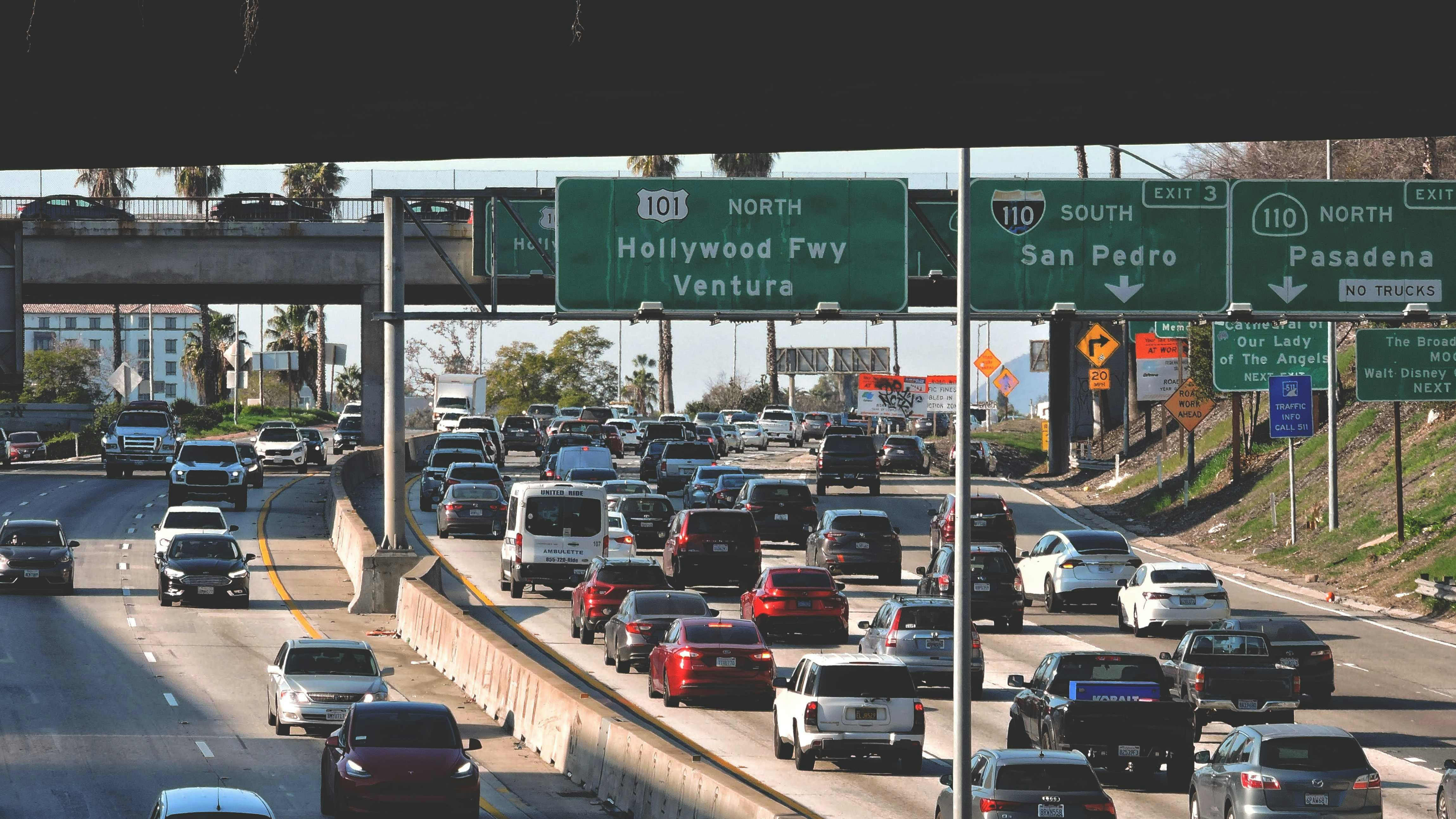
Traffic across Los Angeles moves in a pattern that feels different from decades past. Some routes flow steadily during hours that once felt sluggish, while others slow more often between short bursts of movement.
These shifts appear on freeways, surface streets, and neighborhood roads, shaped by varied trip habits and a broader mix of vehicles. Acceleration characteristics, vehicle size, and the interaction between newer and older models all influence how clusters form and dissolve. The result is a kind of ebb and flow that reflects the city’s continued evolution and the blend of travel habits that shape it.
Conclusion
Los Angeles continues to change, and the experience of driving changes with it. Updated streets, a wider range of vehicles, and new forms of movement all contribute to a driving environment that feels more layered than before. The city’s long-standing connection to car culture remains strong, but it now exists within a more complex network of activity. These shifts create a distinct sense of motion that reflects LA's growth, adaptation, and progress.