Why SEO Matters in the Automotive Industry

SEO is everywhere
Discover how SEO drives traffic, trust, and sales for car dealerships in today’s competitive automotive market.
By The Editors
Sun, Mar 1, 2026 06:37 AM PST
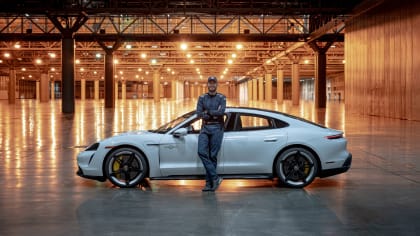
Featured Image courtesy Swansway.
At 9:47 p.m., a buyer sits on their couch scrolling through listings on their phone.
They aren’t “shopping.” They’re narrowing.
They’ve already watched comparison videos. They’ve skimmed reviews. They’ve eliminated three dealerships.
They search for one last phrase:
“Best used SUV near me.”
Your dealership either appears confidently in those results — or it doesn’t. No one calls to tell you that a moment happened. But that moment determines whether tomorrow’s showroom traffic feels steady… or thin.
Search has quietly become the front door of the automotive industry. And most dealerships still treat it like a side entrance.
The Buying Journey Didn’t Shrink — It Shifted
Car buyers still walk lots. They still negotiate. They still test drive. They just don’t begin there anymore.
A 2023 Car Buyer Journey Study confirms that most shoppers start online, researching models, dealerships, and financing long before contacting a sales team. By the time someone submits a lead form, they’ve already formed preferences.
That shift changes leverage.
The U.S. Census Bureau’s Monthly Retail Trade Report shows motor vehicle and parts dealers represent one of the largest segments of U.S. retail (U.S. Census Bureau). In an industry of that scale, visibility isn’t branding fluff — it’s competitive positioning.
If your dealership doesn’t appear during early research, you’re not in the buyer’s mental shortlist. And buyers rarely scroll past page one to “discover” you out of goodwill.
Why Treating SEO Like a Campaign Is the Wrong Diagnosis
Here’s where teams often pause. They think automotive SEO services are just another marketing channel — like radio, display ads, or seasonal promotions. But auto dealer digital marketing SEO isn’t exposure.
It’s architecture.
Google’s own Search Central documentation makes the hierarchy clear: search engines evaluate crawlability, structure, and relevance before considering anything else (Google Search Central, SEO Starter Guide).
That means:
- Disorganized inventory pages weaken authority.
- Duplicate metadata across VDPs confuses indexing.
- Slow load speeds quietly reduce ranking strength.
- Poor internal linking fractures topical clarity.
Ranking your car dealership website on Google isn’t something you “win.” It’s something you build. That difference changes how you invest.
Local Search Is Where Revenue Is Decided
National recognition sounds impressive. Your revenue lives within driving distance. Local SEO for car dealerships determines whether you appear when someone types “Ford dealer near me” or “used trucks Los Angeles.”
Google explains local ranking through relevance, distance, and prominence. Prominence includes review volume, web authority, and consistent business information across the internet.
Google Business Profile optimization for car dealers is not cosmetic. It influences map pack visibility — the listings most buyers tap first.
Ask yourself something uncomfortable: When was the last time you searched your own dealership on mobile and evaluated it as a buyer would?
- Are service hours clearly visible?
- Are reviews recent and responded to?
- Do model pages align with what people actually search?
Buyers researching EVs, for example, often start with educational content like "How to Use an Electric Car Charger: A Comprehensive Beginner’s Guide" before narrowing down to dealerships.
If your site doesn’t appear during that early education stage, you’ve already ceded attention. Local visibility compounds. Or it erodes. There’s rarely a middle ground.
Used Inventory Creates Hidden Technical Risk
Franchise dealerships assume brand strength carries search weight. Independent and used car dealerships assume they’re at a disadvantage. Both positions overlook operational friction.
SEO strategies for used car dealerships require precision because inventory turns over constantly. Vehicle detail pages expire. Filters create thin content. Pagination fragments authority.
Without disciplined technical SEO for automotive websites, search engines waste crawl budget on outdated listings. A Southern California dealer recently discovered hundreds of indexed pages tied to sold inventory. Search visibility plateaued — not because demand dropped, but because structure diluted authority.
After restructuring canonical tags and internal links, organic traffic to active inventory increased steadily. Nothing about their advertising changed. Structure did.
Automotive marketing SEO best practices are rarely flashy. They are quietly structural.
The Second-Order Effect That Reduces Marketing Volatility
When dealership leaders ask, “How does SEO help car dealerships grow sales?” they’re usually thinking about traffic. The more strategic answer is stability.
The National Automobile Dealers Association (NADA) and NADA Data consistently highlight that dealership profitability depends on cost control and operational efficiency. Heavy dependence on paid channels increases volatility.
Organic traffic growth for car dealerships reduces that volatility. Sustainable automotive lead generation through SEO lowers long-term acquisition pressure. During slower quarters, you’re not scrambling to increase ad budgets simply to maintain baseline traffic.
Automotive digital marketing trends SEO show a clear pattern: dealerships investing in structural search visibility experience steadier performance cycles. Search infrastructure acts like insulation. Paid ads act like accelerators. Both matter — but only one compounds.
Dealerships that invest in SEO for the automotive industry as long-term infrastructure begin operating from a place of leverage rather than urgency.
How to Build a Practical, Durable Automotive SEO Foundation
If you’re responsible for growth, here’s where to focus.
Start With Structural Audit — Not Keywords
Before chasing rankings:
- Evaluate crawl errors in Google Search Console.
- Review duplicate metadata across VDPs.
- Measure page speed and Core Web Vitals.
- Check whether the sold inventory remains indexed.
Search engines can’t rank what they can’t interpret clearly.
Strengthen Local Authority Signals
Local SEO for car dealerships demands operational consistency:
- Complete and actively managed Google Business Profile.
- Uniform business information across directories.
- Service department pages operate in a separate system from sales inventory.
- Location-specific model landing pages.
Map visibility often drives higher-intent traffic than general search listings.
Align Content With Buyer Decision Stages
Automotive content marketing for SEO should mirror how people actually decide:
- Comparison content (“RAV4 vs CR-V in Los Angeles”)
- Financing clarity (“Lease vs finance for first-time buyers”)
- Trade-in process transparency
- Maintenance guides for owned vehicles
Content that helps families navigate milestones — like Helping Your Teen Buy Their First Car — earns trust long before a transaction happens. That same principle applies to your dealership site.
An automotive SEO guide should not just explain SEO mechanics. It should connect the structure to buyer psychology.
Reduce Technical Friction Relentlessly
Technical SEO for automotive websites includes:
- Structured data for vehicles
- Clean URL architecture
- Logical internal linking
- Elimination of thin category pages
Small improvements here often outperform expensive ad experiments.
What Happens If You Delay Structural Search Investment?
Nothing catastrophic.
At first.
Sales continue. Inventory moves. Promotions run.
Then subtle shifts begin.
You notice fewer “I found you on Google” mentions. Paid acquisition costs creep upward. Competitors accumulate reviews and dominate model-specific queries.
Search rewards consistency over time. Dealerships that delay infrastructure investment often compensate by increasing their advertising spend. That trade rarely improves margins.
The Decisive Reality: You Either Own the Search — or You Rent the Attention
SEO in the automotive industry isn’t about chasing algorithms. It’s about owning your digital storefront.
When buyers research at night, compare options quietly, and narrow their choices before contacting you, search visibility shapes perception long before price discussions begin.
Dealerships that treat SEO as optional marketing support tend to react. Dealerships that treat it as a structural capability tend to lead. Twelve months from now, you may still sit on the same road with similar inventory and similar incentives as your competitor. But only one of you will consistently appear when buyers start their journey. And in today’s automotive market, the dealership that appears first is often chosen.