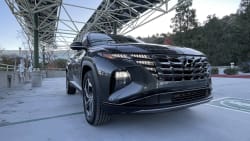

2026 Hyundai Santa Cruz XRT AWD
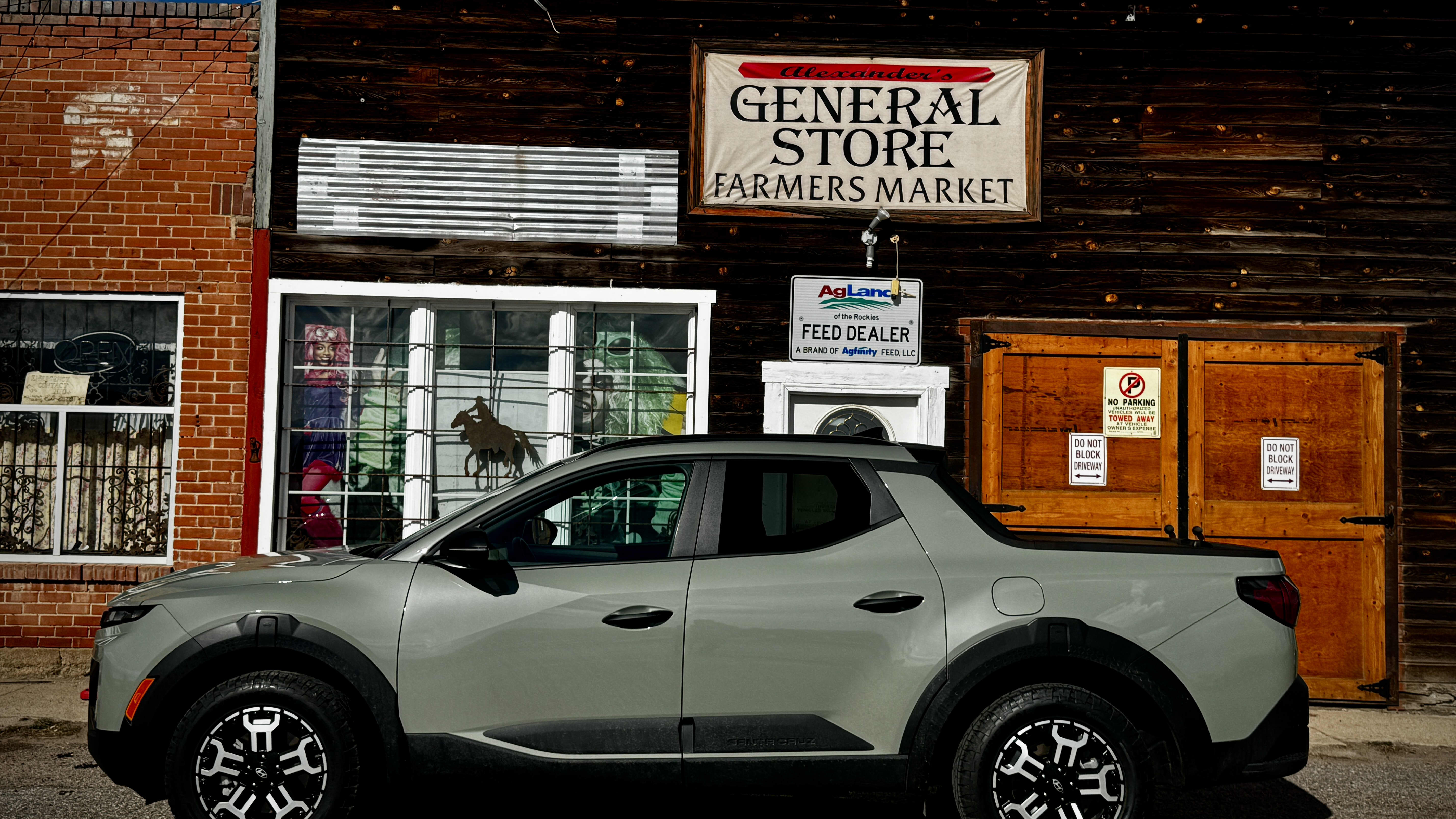
The Odd-Looking Truck That Everyone Needs
The 2026 Hyundai Santa Cruz is an odd-looking truck, but it’s design is very functional.
By Joe Santos
Tue, Jun 2, 2026 07:46 AM PST
Images by the author.
The 2026 Hyundai Santa Cruz has been in production for a few years and it’s still one of weirdest things on sale, but in the best possible way. It’s a pickup, technically, but also not really in the traditional truck sense. It won’t crawl over large boulders or tow a house when you need to, but if you need a truck bed that’s attached to a cab that feels like a regular SUV on the road, instead of a body-on-frame hauler, this is the truck for you. Let’s face it, only a small percentage of truck buyers really “need” a Toyota Tacoma or Ford F-150. Like the buying the fanciest iPhone or largest house, most people just want it to have it.
But I digress. The Santa Cruz has always made sense for people who want truck-ish utility without signing up for the full-size-pickup lifestyle, which usually includes terrible parking experiences and a completely unnecessary sense of self-importance. For 2026, Hyundai mostly sticks with the formula but makes a few smart tweaks, and that’s probably the right move. This thing was already interesting. Now it’s just a little better at being itself.
First Impressions: The Santa Cruz Still Looks Like a Concept That Escaped
The Hyundai Santa Cruz still does not look like a normal truck to me, but that’s why it still turns heads when on the road. Its front end is sharp, the proportions are weird in an intentional way, and the whole thing still looks like it was designed by someone who was allergic to boring. It’s closer to a sporty crossover with a bed than a job site workhorse, which make sense since it’s based on the Hyundai Tucson.

That said, if you’re hoping for old-school truck toughness, you may want to look elsewhere. It also only has a 4.3-foot bed, so if you need more a platform for hauling, this isn’t it. However, it’s bed is outfitted with a storage compartment that doubles as a cooler. There are also tie downs back there, along with a household outlet so you can power your tools and other appliances.
Otherwise, the Santa Cruz’s small dimensions make it easy to drive in tight urban environments. It’s 195.7 inches long and 75 inches wide, which makes it easy to parallel park and fit into parking garages.
Interior and Tech: More Tucson Than Truck
Inside, the Santa Cruz continues to lean hard into the idea that may truck buyers also enjoy comfort, decent materials, and screen that don’t look like they were stolen from a forklift. Lower trims get a 12.3-inch touchscreen with wireless Apple CarPlay and Android Auto, while upper trims step up the digital instrument display situation and layer on more upscale materials.
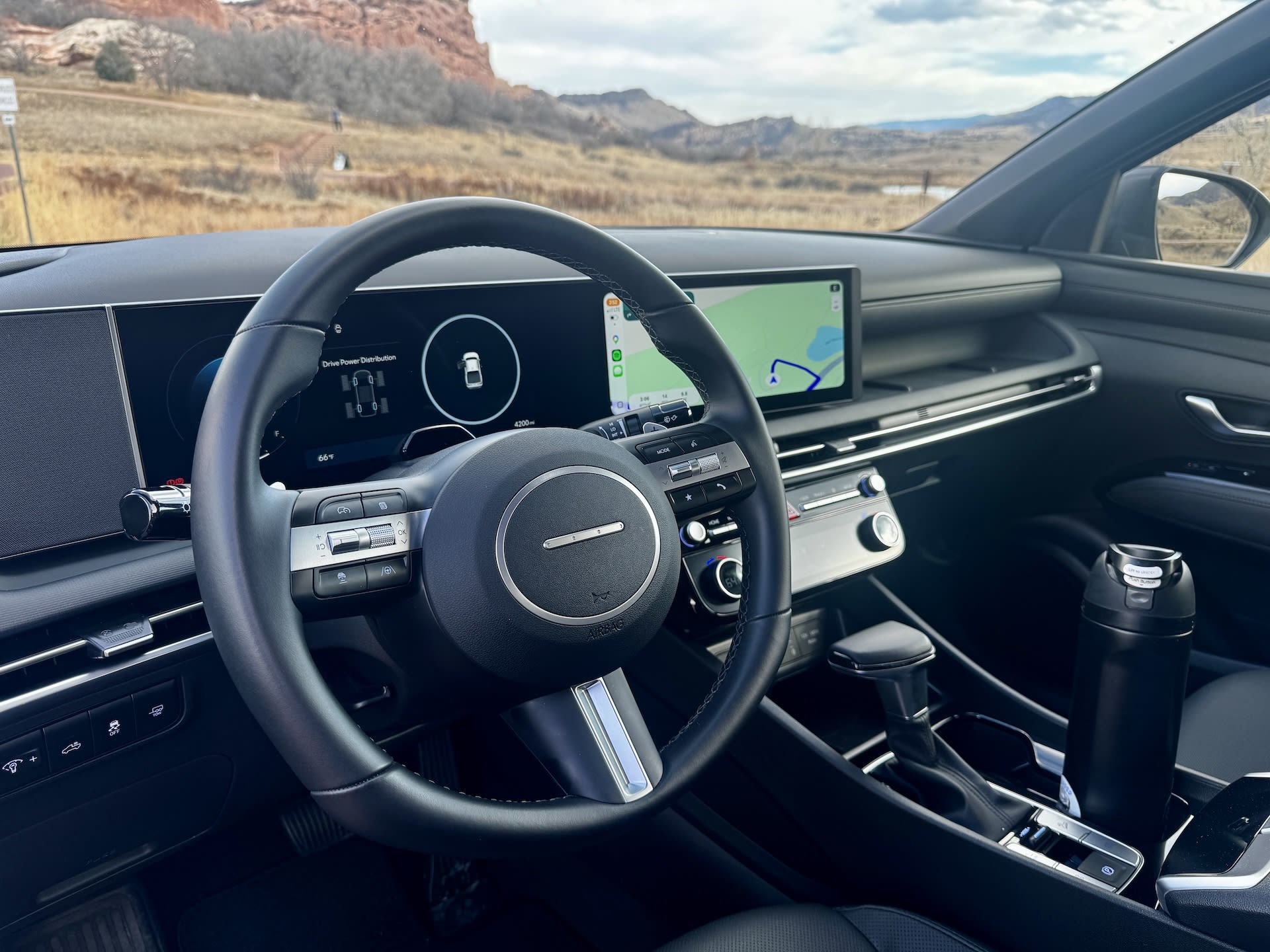
The SEL Activity trim, new for 2026, helps fill out the lineup in a way that actually makes sense, adding useful stuff like a factory-integrated tonneau cover, utility rails, a sunroof, a 115V outlet, wireless charging, and a full digital cluster. That’s a strong middle-ground trim for people who want the Santa Cruz’s tricks without launching themselves straight into expensive-turbo territory. More importantly, the interior doesn’t feel like punishment. It feels modern, easy to use, and considerably more pleasant than the kind of bare-bones truck cabin that mistakes ruggedness for neglect.
Driving Impressions: A Truck for People Who Hate Driving Trucks
Driving dynamics is where the Hyundai Santa Cruz make its best argument. It’s unibody-based, rather than body-on-frame, so it drives more like the crossover it’s based on than a traditional truck, which is another way of saying it doesn’t lumber around like it’s carrying emotional baggage. Ride quality is better than you might expect, the steering is more carlike, and overall it feels pretty civilized.

The base 2.5-liter four-cylinder makes 191 horsepower and 181 lb-ft of torque, which is enough if your expectations are reasonable and your lifestyle does not revolve around dramatic merging maneuvers. If you want the Santa Cruz with actual urgency, the turbocharged 2.5-liter is still the move, with 281 horsepower and 311 lb-ft of torque. The big news for 2026 is that Hyundai finally ditched the old dual-clutch transmission on turbo models and replaced it with a conventional eight-speed automatic.
That sounds like a boring change until you remember the old setup had a habit of feeling clunky at low speeds. So yes, this is exactly the kind of boring change that improves daily life, which is honestly the best kind. The result should be smoother, easier, and less likely to make you question the truck’s mood in a parking garage.
Utility and Bed Size: Small Bed, Big Effort
The most obvious catch is that the Santa Cruz has the smallest bed in the compact-pickup conversation, and no amount of branding can fully distract from that. It’s a 4.3-foot bed, which means if your idea of truck ownership involves hauling sheets of plywood every weekend, you are probably going to end up annoyed. But Hyundai knows this.

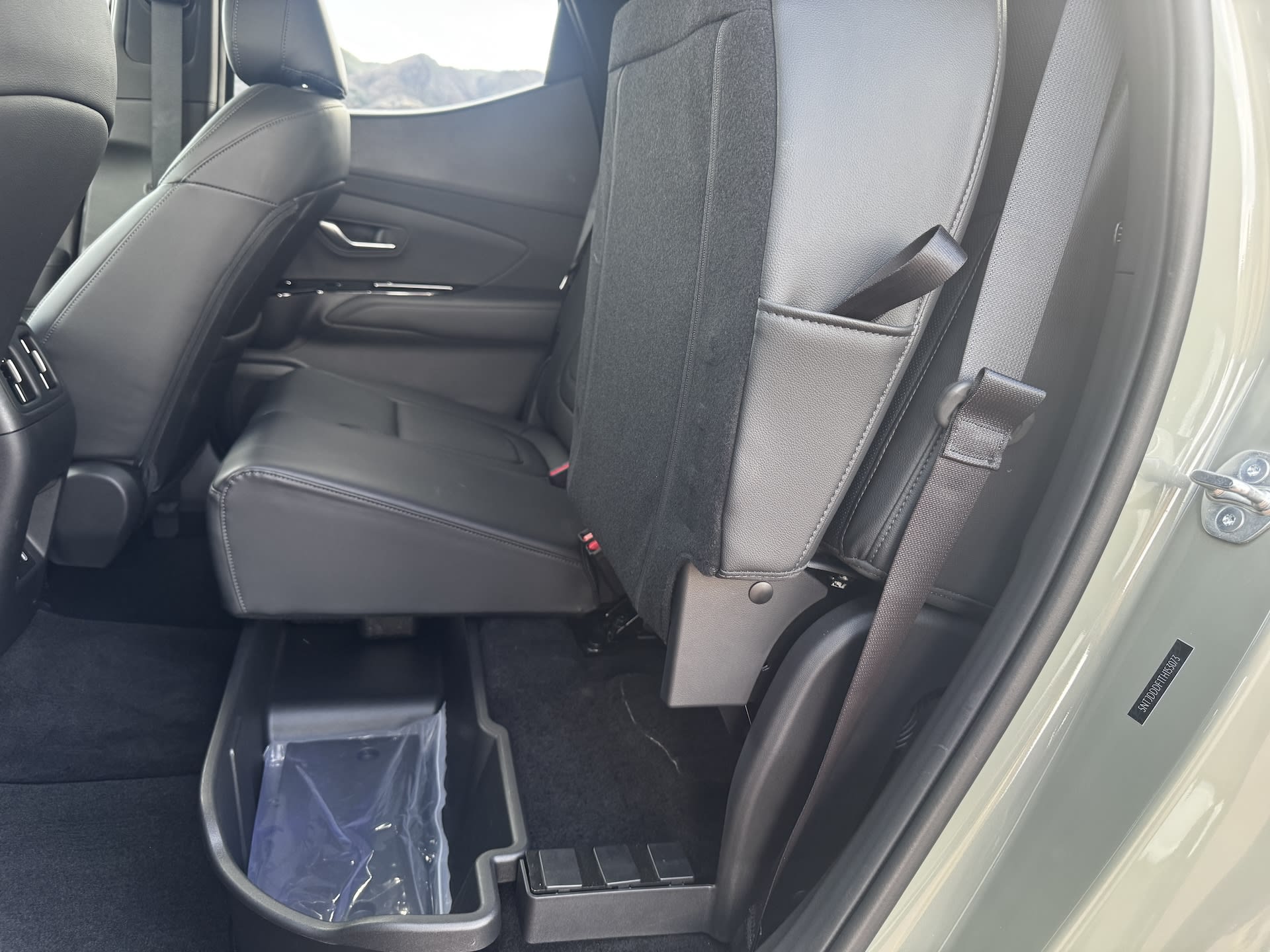
The Santa Cruz is not pretending to be a contractor’s best friend. It’s aimed at people who want to toss bikes, camping gear, mulch, furniture boxes, and other mildly chaotic life items into the back without needing a full-size truck payment. To that end, it’s actually pretty clever. There’s lockable under-bed storage, available utility rails, an integrated tonneau cover on certain trims, and enough built-in thoughtfulness to make the bed more useful than the dimensions alone suggest. In other words, the Santa Cruz knows it’s not enormous, so it compensates by being smart. There are worse character traits.
Power, Towing, and the XRT Trim
Capability is where the Santa Cruz stays more legit than some people expect. With the standard engine, it can tow up to 3,500 pounds. With the turbo and all-wheel drive, that climbs to 5,000 pounds, which is enough for trailers, small boats, and other recreational proof that you do, in fact, leave the house sometimes. Hyundai also keeps standard AWD on the turbocharged XRT and Limited trims, and for 2026 the XRT adds Terrain modes for mud, snow, and sand. Does that mean the Santa Cruz has turned into some hardcore trail monster?

No, let’s all relax. But it does mean Hyundai is at least trying to make the XRT more than just a trim package with attitude. The Santa Cruz remains best understood as a lifestyle truck with enough real capability to avoid becoming a total poser. That balance works in its favor. It can do useful truck things, but it doesn’t require you to suddenly develop a personality centered around towing numbers and cargo tie-down strategies.
Price and Value: Clever, Until You Start Checking Boxes
The 2026 Santa Cruz starts at about $29,750, which is a pretty appealing number for something this distinctive. That’s the good news. The more complicated news is that Santa Cruz pricing rises in a hurry once you move into the trims people actually want. The new SEL Activity lands in a useful middle zone, and that’s probably where the sweet spot is for a lot of buyers. It gives you a bunch of the Santa Cruz’s best lifestyle features without pushing you all the way into XRT or Limited money.
Once you get into the turbocharged AWD trims, though, you’re looking at pricing that can climb into the low- to mid-$44,000 range depending on trim and options. At that point, the value conversation gets more interesting, because suddenly you’re not just comparing the Santa Cruz with a base compact truck, you’re comparing it with larger, more traditionally useful vehicles and some better-value rivals. The Santa Cruz still wins on style and everyday livability, but it absolutely stops being a bargain the second you get ambitious with the build sheet.
Summary
The 2026 Hyundai Santa Cruz remains what it has always been: a smart, slightly oddball, very livable answer to a question a lot of people didn’t realize they were asking. It is not a serious work truck, and it doesn’t pretend to be. Instead, it’s for people who want the flexibility of a bed, the comfort of a crossover, and a design that doesn’t look like it was approved by a focus group devoted to beige.
The updates for 2026 are minimal, but they are meaningful. The new conventional automatic on the turbo models is an improvement, and the XRT gets a bit more substance to back up the look. The main downside is the same as before: the bed is small. But it’s practical and if you’re looking for a truck, but don’t need a heavy-duty hauler, this is the truck for you.
Name of vehicle: 2026 Hyundai Santa Cruz XRT
Price: (base) - $41,350 - $45,345 (as tested)
EPA Fuel economy rating: 18 city/ 25 highway
EPA vehicle size classification: Small pickup truck
0-60 mph: 6.0 seconds
Location of final assembly: Montgomery, Alabama
About The Author

Joe Santos is an automotive journalist with over 10 years of professional writing and editing experience. His article topics range from full-length car reviews to car-buying advice. He even spent four years selling cars at a few different dealerships, so he may know a thing or two if you’re in the market for a new or used car.